
Spatial Epidemiology
Track and model how diseases emerge, spread, and cluster across space and time.
Why do Public Health Researchers Need Spatial Analysis Software?
Spatial analysis reveals critical patterns that traditional methods miss. Understanding where and why health outcomes occur is just as important as understanding what is occurring.

Location Shapes Health Outcomes
Environmental exposures, healthcare access, socioeconomic conditions, genetics, and disease transmission are all geographically structured. Analyzing health data without accounting for space means missing the factors that drive disparities and outbreaks.

Patterns Change Over Time
A snapshot isn’t enough. Diseases spread, clusters emerge and fade, and screening rates shift. Public health research increasingly requires cluster mapping software that analyzes how spatial patterns evolve over time.

Data Comes From Everywhere
Spatial epidemiology requires combining sources that were never designed to work together, such as CDC surveillance systems, census data, EPA environmental data, and state health departments.

Findings Must Reach Decision-Makers
The best analysis is useless if it can’t be communicated. Public health researchers need to produce maps, reports, and visualizations that resonate with policymakers, community stakeholders, and journal reviewers alike.
KEY FEATURES
Why Spatial Epidemiologists Use Vesta’s Geospatial Mapping & Analysis Platform
Infectious Disease Surveillance
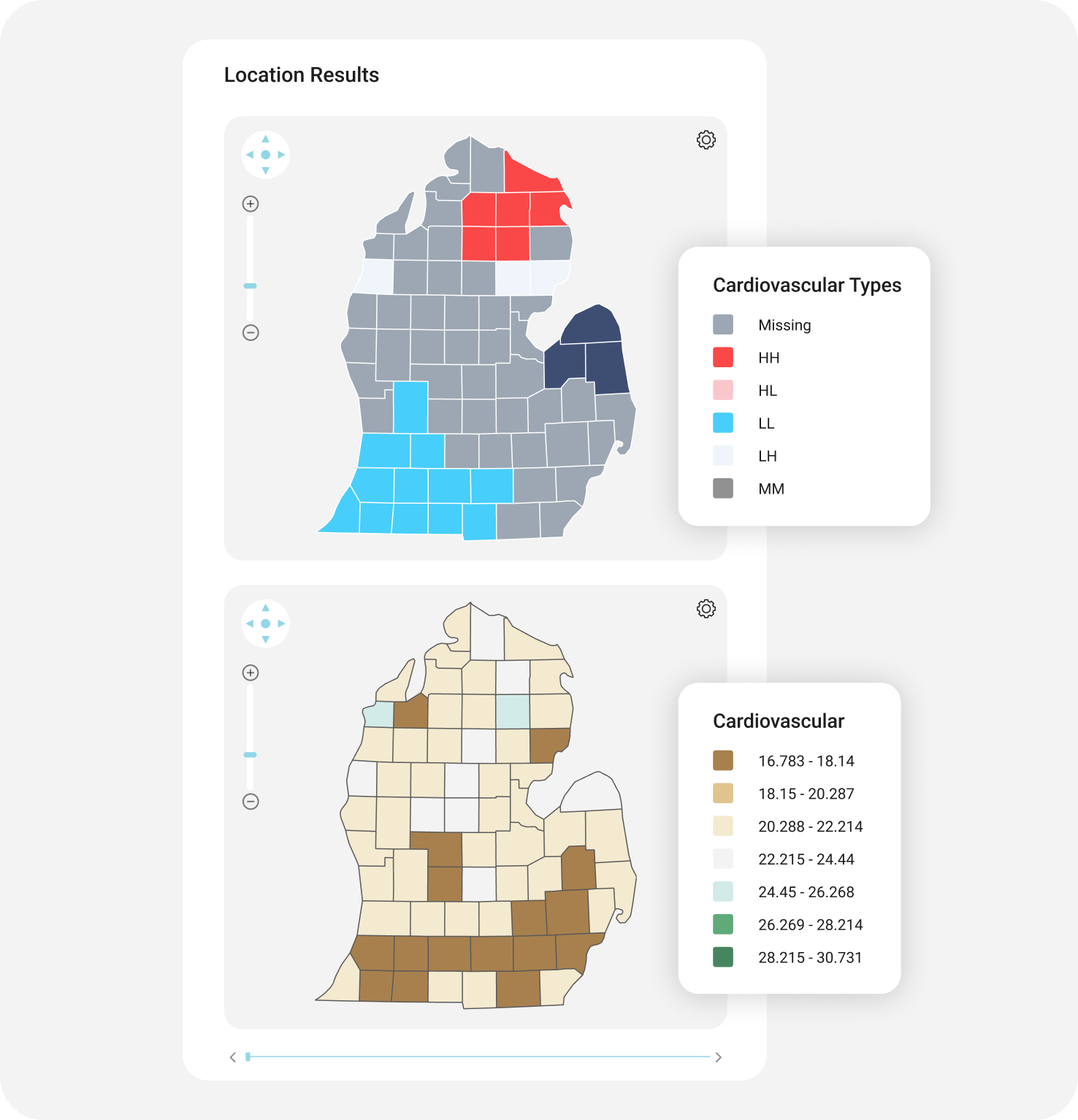
Map outbreak clusters, track spread over time, and identify geographic hotspots. Import data from CDC, WHO, or state health departments and run cluster detection, spatiotemporal kriging, and advanced GWR and ML models in minutes.
Environmental Health Assessment
Analyze how environmental exposures, such as air quality, industrial proximity, and food access, correlate with health outcomes across communities. Combine EPA, Census, and health surveillance data in a single workspace.
Health Disparities Research
Identify where outcomes diverge by geography, socioeconomic status, or demographic group. Overlay CDC PLACES screening data with Census ACS and CDC Social Vulnerability Index to map gaps in care.
Outbreak Investigation and Response
When a cluster is detected, researchers need to move fast. Vesta enables you to assemble the right data layers, run spatial analyses, and produce maps for public health response, all in a single session.
Connect the Spatial Data You Already Use
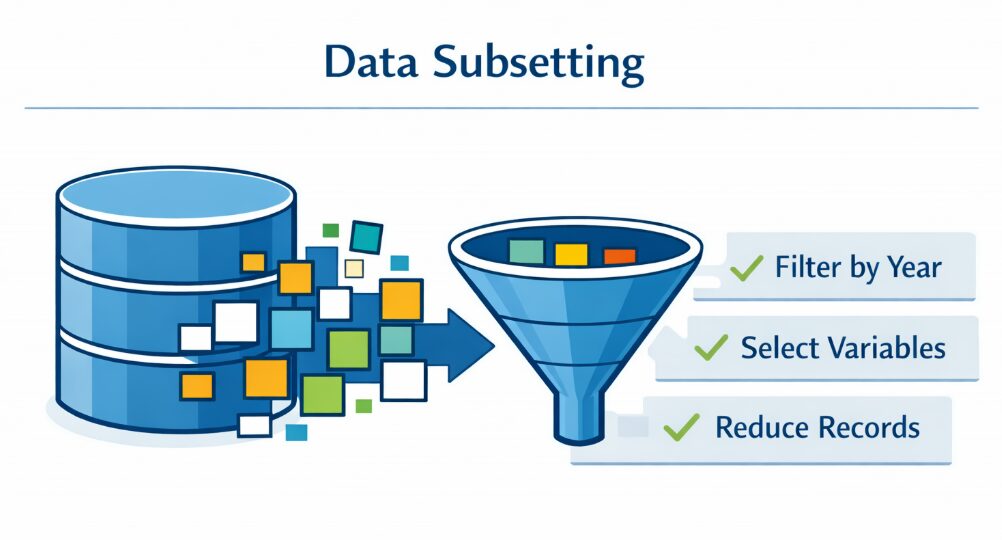
Vesta imports directly from the surveillance systems and public data sources that power spatial epidemiology research, including:
- CDC PLACES
- CDC WONDER
- CDC Social Vulnerability Index (SVI)
- Census ACS
- HRSA Area Health Resources File
- Any flat file (CSV, Excel, shapefile)
- And more
Let the Vesta AI Advisor Guide Your Analysis
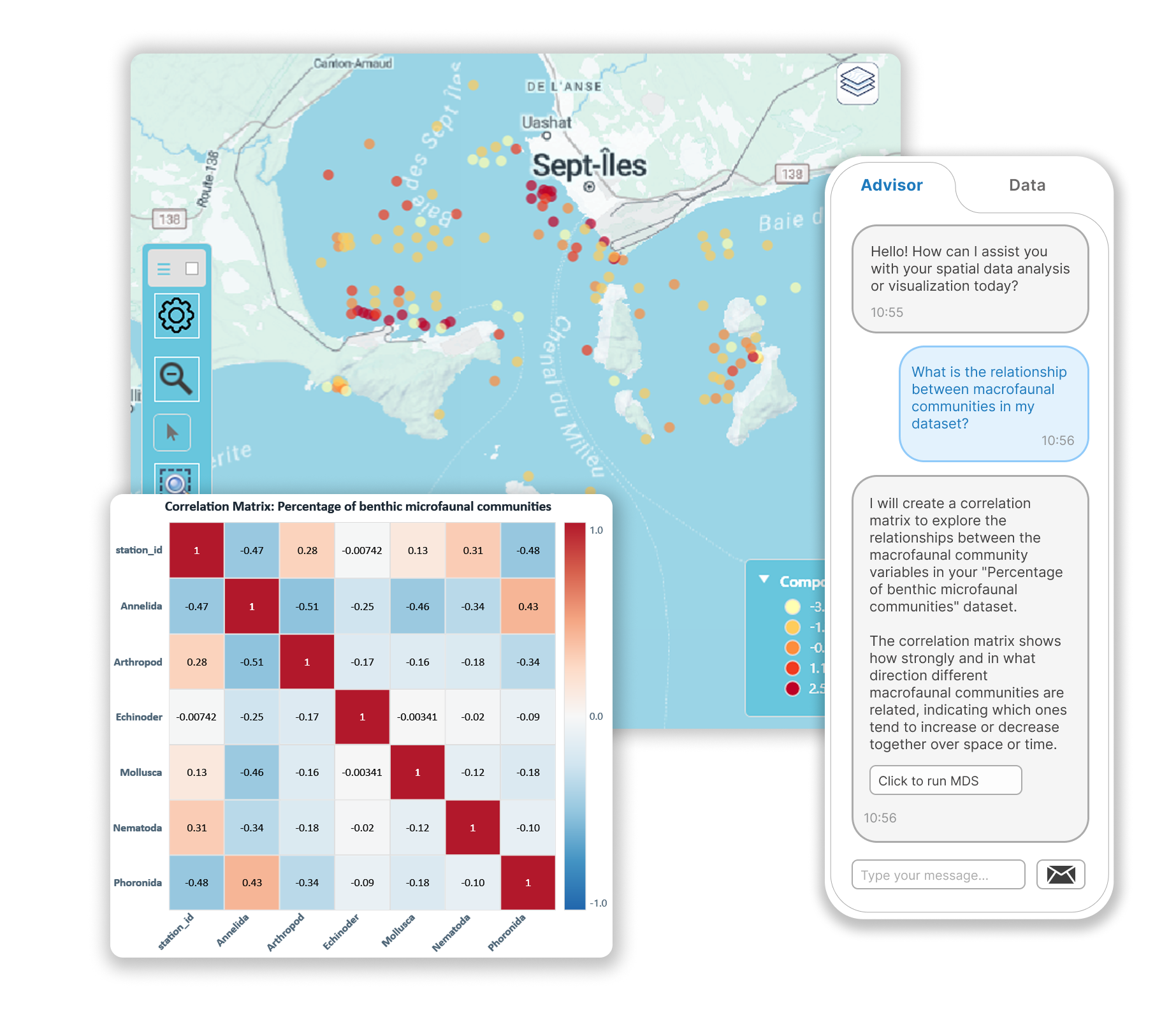
Describe your question, and the AI Advisor proposes a workflow, retrieves the relevant data, and walks you through cluster detection, spatial regression, or trend analysis step by step. Save successful workflows as templates for recurring surveillance.
Ready to Accelerate Your Spatial Epidemiology Research?
Try Vesta risk-free for 14 days. Schedule your kick-off call to trial Vesta today.