
Veterinary Epidemiology & Food Safety
Map animal disease outbreaks, model risk, and protect animal and human health with disease mapping and spatial analysis software.
Why do Vet Medicine Professionals Need Spatial Analysis Software?
Spatial analysis reveals how animal disease and foodborne illness outbreaks spread, where risk concentrates, and which populations are most vulnerable; insights that traditional surveillance methods can miss.

Disease Spreads Geographically
Every major animal disease and foodborne pathogen, such as ASF, HPAI, FMD, and Salmonella, has a spatial signature. Understanding where outbreaks cluster and how they move is essential for containment, trade decisions, and resource allocation.

Food Safety Starts on the Farm
Healthy animal populations are the foundation of a safe food supply. Veterinary epidemiology and food safety are two points on the same continuum, from livestock surveillance to the food that reaches consumers.

Surveillance Data Is Fragmented
WAHIS outbreak reports, FAOSTAT production statistics, CDC foodborne surveillance, NARMS resistance trends, genomic cluster data—answering a single research question often requires assembling four or five sources that were never designed to work together.

Decisions Require Speed and Documentation
When an outbreak emerges, agencies need answers fast. And those answers need to be documented—for USDA reporting, trade negotiations, or peer-reviewed publication. Analysis and communication can’t be separate workflows.
KEY FEATURES
Why Researchers Use Vesta’s Geospatial Platform
Livestock Disease Risk Mapping
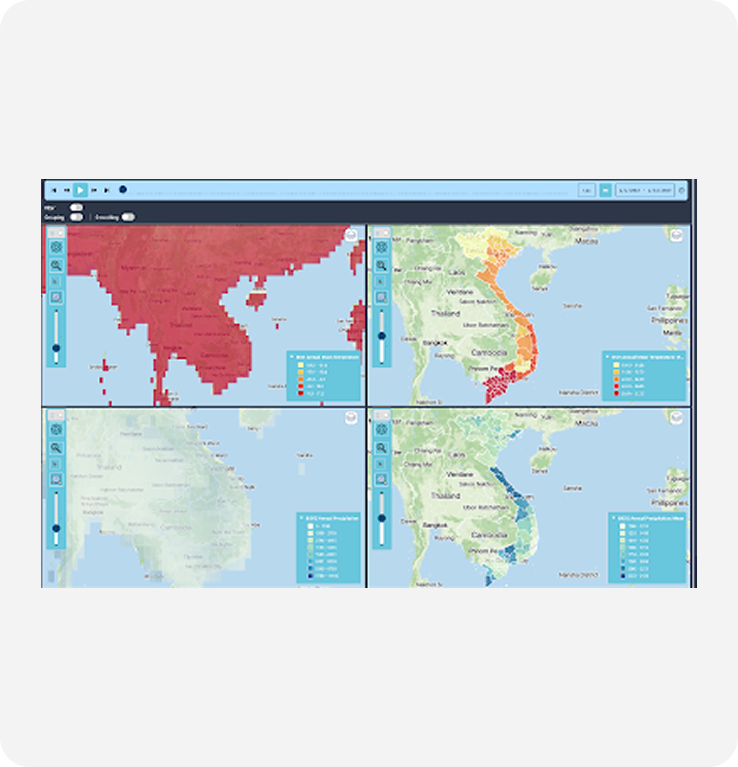
Map ASF, HPAI, or FMD outbreak locations against livestock density surfaces. Overlay WAHIS outbreak data with GLW4 pig or poultry density to identify where risk concentrates and model where disease is likely to spread next.
Foodborne Outbreak Analysis
Track Salmonella, Campylobacter, or Listeria outbreaks across states and time. Import CDC NORS data, run Joinpoint regression on annual trends, and identify which food vehicles or settings are driving the burden.
Antimicrobial Resistance Surveillance
Analyze AMR patterns across the food chain, from food animals at slaughter to retail meat to human clinical isolates. Combine NARMS data streams in a single workspace to track resistance trends over time and geography.
One Health Analysis
Bridge animal and human health data. Combine WAHIS livestock disease reports with CDC foodborne surveillance to trace how pathogens move from farm to fork and identify intervention points along the way.
Connect the Data You Already Use
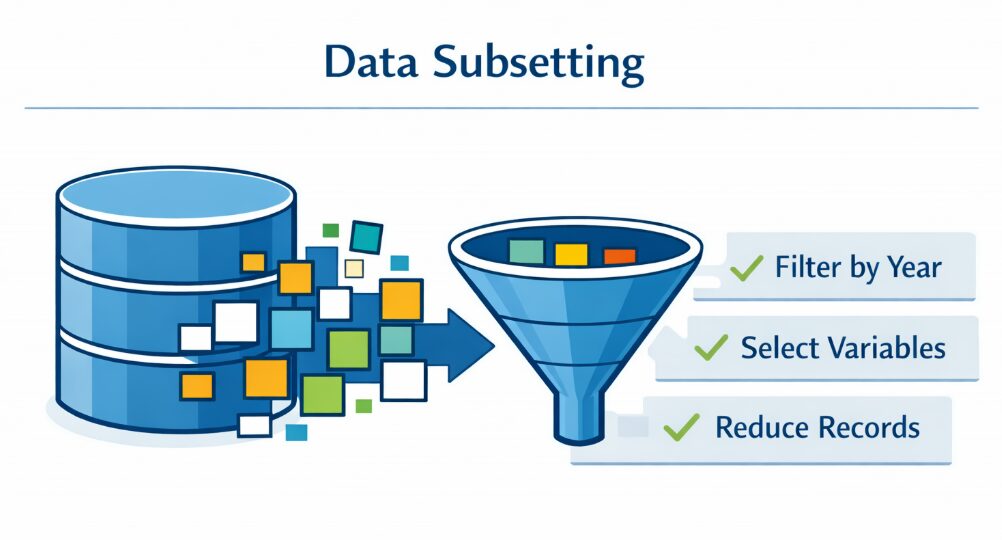
Vesta imports data directly from the global and US surveillance systems that power veterinary epidemiology and food safety research, including:
- WAHIS (WOAH)
- GLW4
- FAOSTAT
- Any flat file (CSV, Excel, shapefile)
- And more
Let the Vesta AI Advisor Guide Your Analysis
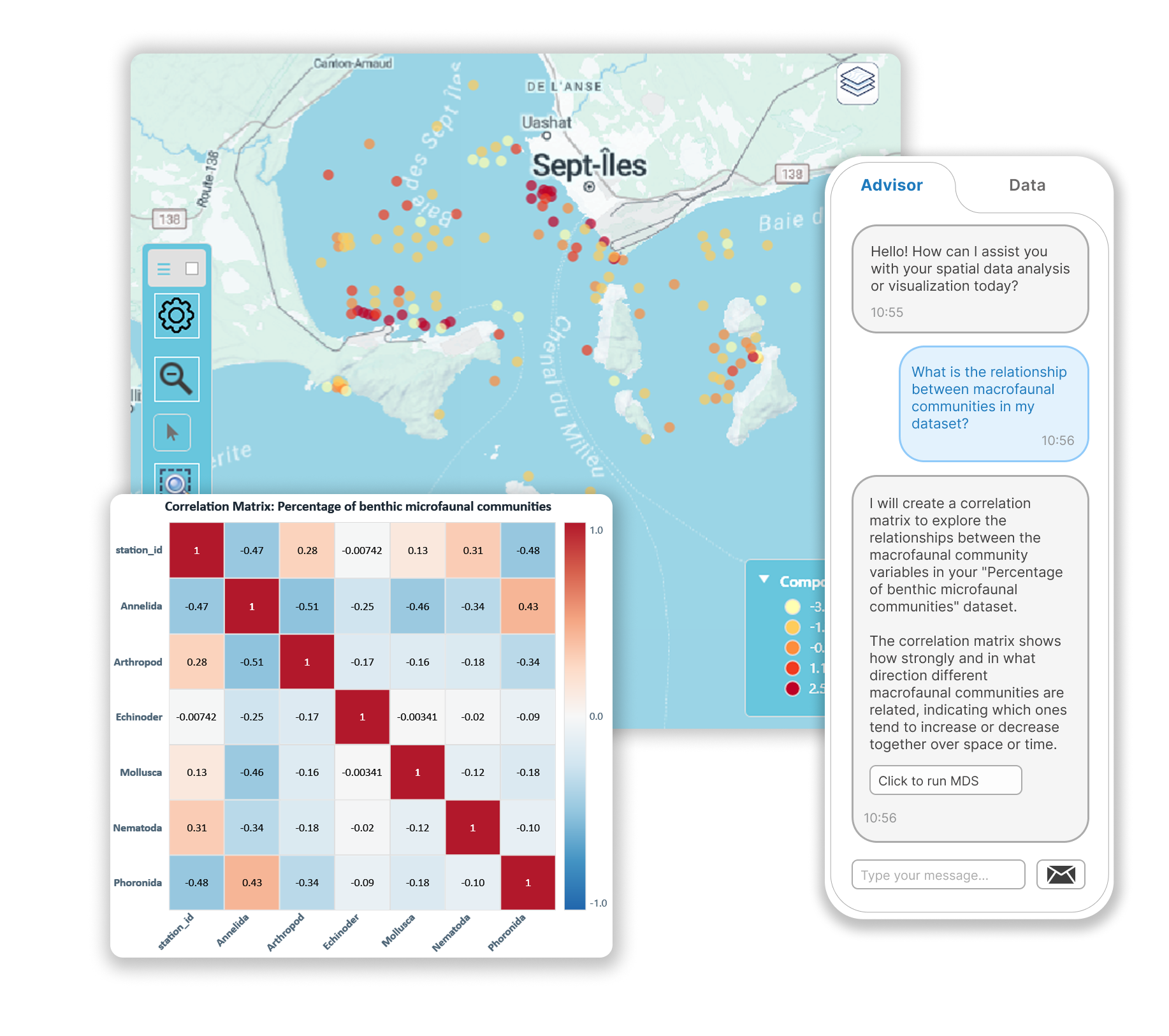
A single livestock disease risk map might require WAHIS outbreak data, GLW4 density surfaces, and FAOSTAT denominators. The Vesta AI Advisor assembles all three, reconciles the scales, and proposes the appropriate spatial model, so you can focus on epidemiology and research and spend less time sifting through data.
Ready to Accelerate Your Research?
Try Vesta risk-free for 14 days. Schedule your kick-off call to trial Vesta today.